


Solar Panel Installation for Residential Roofs: Complete Guide

Last Updated: November 14, 2026
Quick Summary
A solar panel installation on a residential roof works best when the roof is in good condition, faces the sun, is free of shade, and has framing strong enough to carry the extra weight. Start with a roof assessment before pricing any system. Replacing a roof that needs work within about five years is usually smarter than mounting panels on it first.
Check roof age and condition first; a roof needing replacement within five years is usually better replaced before panels go on.
A south-facing roof usually produces the most energy in the Northern Hemisphere, though east- and west-facing sections can work.
Shade from trees or chimneys can cut output across a whole string, so request a shading analysis before committing.
Ask for a structural check, since a solar array adds weight of a few pounds per square foot.
Confirm roof and solar warranties in writing, especially who covers the flashing at each penetration.
Is your roof ready for solar?
First Class Roofing & Renovations Inc checks roof condition, structure and shading before you install panels.
Table of Contents
Before you price out a solar panel installation, check whether your roof can carry one. Start every solar conversation with the roof itself, because a panel system sits on whatever structure you already have. A roof near the end of its life or structurally weak can turn a good solar project into an expensive problem.
Installers generally look at four things: roof age and condition, orientation and pitch, shade, and whether the framing can handle the extra load.
Roof Age, Condition and Remaining Service Life
The most important question is how much life your roof has left. A solar panel installation on a roof that needs replacement within a few years means removing and reinstalling the entire array later, adding labour and risk.
Walk your roof, or have a roofer do it, and look for:
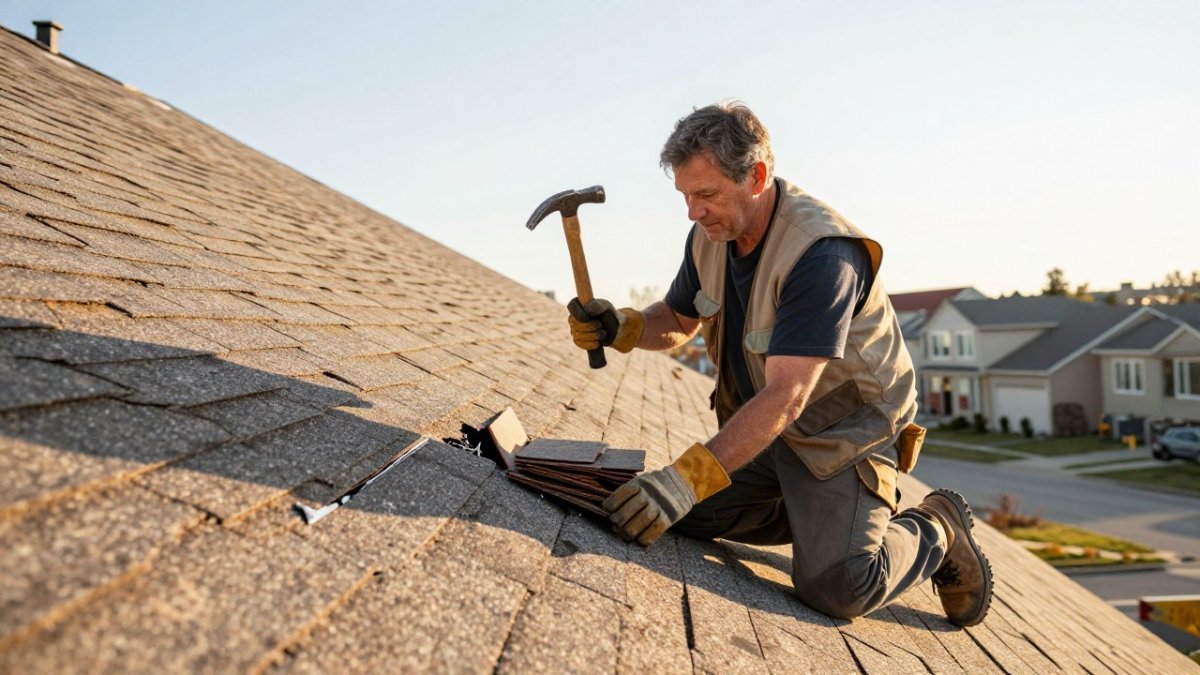
Cracked, curled, or missing shingles
Granule loss that leaves the mat looking bare or shiny
Soft spots, sagging, or lifted flashing around vents and chimneys
If the roof shows several of these signs, repair or replacement is likely needed before panels go on.
Orientation, Pitch and Shading
Panels produce the most energy when they face the sun most of the day. In the Northern Hemisphere that usually means a south-facing roof, though east- and west-facing sections can still work.
Shade is the factor homeowners underestimate most. A single tree branch or neighbouring chimney can cut output across a whole string of panels. Watch the roof at different times of day, or ask your installer for a shading analysis before you commit.
Best Roof Types for Solar Panels
Most residential roofs can carry solar, but the covering affects how panels attach. Asphalt shingle is the most common covering and works well with standard rail-and-hook mounts.
Tile roofs need specialised tile hooks or brackets, and installers must lift and reset tiles carefully to avoid cracking them. Flat roofs typically use ballasted racks that rely on weight rather than fasteners, reducing penetrations but adding load.
Roof Structural Assessment for Solar Panels
A solar array adds weight, usually a few pounds per square foot once panels, racking and hardware are included. Most houses built to current codes have enough capacity, but older framing or previous alterations can change that.
Wind and snow loads also matter. In regions with heavy snowfall, the combined weight of panels and snow must stay within the framing's design limits.
Should You Replace Your Roof Before Solar Panels?
If your roof is within about five years of needing replacement, it is usually smarter to replace it first. Removing and reinstalling a solar array for a re-roof costs money, takes time, and creates a second opportunity for leaks at the same penetration points.
If the roof is in good condition with a decade or more of life left, you can often install solar now and plan a future re-roof with the array removed and reinstalled.
The Rooftop Solar Installation Process, Step by Step
Residential installations follow a predictable sequence, though timelines vary with permits, utility queues, and weather. A typical project moves through site assessment, system design, permitting, equipment delivery, roof mounting, electrical work, inspection, utility interconnection, and commissioning.

Site assessment: The installer checks roof condition, orientation, shading, and the electrical service, then measures the roof for layout. This is also when the installer confirms where the inverter and disconnects will go and whether the main electrical panel has spare capacity.
System design: The design sets panel count, placement, racking, and inverter type based on your energy use. Ask whether the design uses a string inverter with optimizers or microinverters, because that choice affects shading tolerance, monitoring granularity, and future service access.
Permits and approvals: The installer files paperwork with your municipality and utility before work begins. Building and electrical permits are commonly separate, and the utility interconnection application often runs on its own timeline.
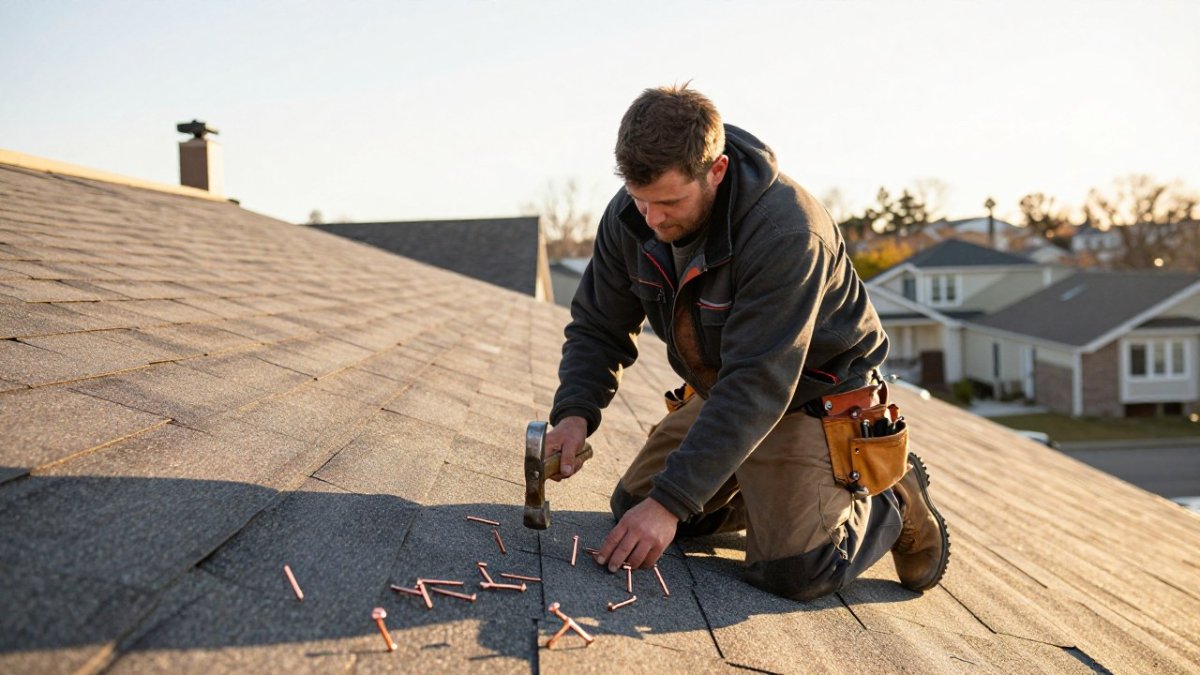
Roof mounting: Crews attach rails and hooks to the structural framing, sealing each penetration. Flashing is the detail that determines whether a penetration stays watertight, so ask how each mount is flashed rather than just sealed.
Panel installation: Panels are clamped to the rails and wired into strings. String wiring, homerun conduit, and rapid shutdown equipment are installed at this stage.
Electrical connection: A licensed electrician connects the inverter to your home's electrical panel, installs the AC and DC disconnects, and bonds the array and racking to ground. This is the step that turns a roof-mounted assembly into an electrical generating system, and it is where most inspection findings occur.
Inspection: The electrical authority and, where required, the building authority inspect the work. The installer should provide the inspection reports at the end of the project.
Utility interconnection: The utility reviews the interconnection application, confirms the meter arrangement, and grants permission to operate. The system cannot legally be switched on before this approval, even if the installation is complete.
Commissioning: The system is tested, monitoring is set up, and you receive operating instructions. Commissioning should include a check of string voltages, inverter startup, monitoring connectivity, and a walkthrough of the shutdown procedure.
Expect some noise and foot traffic on the roof during mounting. The electrical and interconnection stages are less visible but are where projects most often stall, so ask your installer for the expected utility timeline in writing.
Electrical Work, Interconnection and Commissioning
Inverter and wiring. The inverter converts the panels' direct current into the alternating current your home uses.
Main panel capacity. The electrical panel must accept the solar backfeed.
Utility interconnection. Most utilities require an interconnection agreement before the system can operate.
Inspection and commissioning. The electrical inspection confirms grounding, bonding, disconnect placement, labeling, and rapid shutdown function. Commissioning then verifies that the system produces as designed.
Permits, Inspections and Grid Connection
Solar installations almost always require a building or electrical permit, and most utilities need an interconnection agreement before the system can be switched on. Permit rules and utility processes differ by municipality and province, so ask your installer which approvals they handle and how long they usually take. Keep the inspection reports and utility approval letter with your home records, because they matter if you sell the home or file a warranty claim.
Costs, Payback, Maintenance and Roof Warranties
What matters is the structure of the cost, the variables that move payback, and who is responsible when something goes wrong years later.
What Drives the Installed Cost
A residential solar quote is built from several separable pieces. Ask for each one as a line item so you can compare quotes on equal terms:
Solar equipment: panels, inverter or microinverters, racking, and mounting hardware. Panel and inverter choice is the largest equipment variable.
Roof work: flashing, penetration sealing, and any repairs or replacement needed before mounting. Roof work is often quoted separately and is the line most likely to be omitted from a solar-only quote.
Electrical work: conduit, wiring, disconnects, rapid shutdown equipment, grounding, and any main panel upgrade.
A quote that bundles everything into one number makes it hard to see whether you are paying for a panel upgrade, a roof repair, or premium equipment.
How Payback Actually Works
Payback is not a single number; it is a range that depends on four variables:
Your electricity rate and how it changes. The value of each kilowatt-hour you avoid buying is the core of the calculation. Rate structures with time-of-use pricing can change the value of midday production.
How much of the production you use yourself. Power you consume on site offsets retail electricity; power exported to the grid may be credited at a different rate under your utility's net metering or net billing rules.
System cost after incentives. Incentives reduce the upfront cost, which shortens payback, but they are not guaranteed and can change between quote and commissioning.
System performance and degradation. Panels lose a small amount of output each year, and shading, soiling, and inverter efficiency affect real production versus the design estimate.
A common pattern is for installers to present payback under an assumed rate escalation. Ask what rate escalation the estimate assumes and whether it uses your actual bills or a regional average.
Maintenance and Monitoring Over the System Life
A rooftop system needs little routine care, but it is not maintenance-free. Check the monitoring app for unusual drops in output, keep panels free of heavy debris and snow where safe, and schedule an inspection after major storms. Inverters often carry shorter warranties than panels and may need replacement during the system's life. If the roof needs work later, panels may need to be removed and reinstalled, which is a cost to plan for.
Roof Warranties and Who Is Responsible
Roof warranties are the detail most homeowners overlook, and where the solar and roofing trades most often disagree. Ask your roofer whether the roof warranty covers leaks at solar penetrations, and get the solar company's workmanship warranty in writing.
Three warranty layers matter:
Roof covering warranty: the manufacturer's warranty on shingles or membrane, which may be voided or limited if penetrations are not flashed to the manufacturer's specification.
Roofing workmanship warranty: the roofer's warranty on the installation, which should state whether it covers solar penetrations.
Solar workmanship and equipment warranties: the installer's warranty on mounting and flashing, plus panel and inverter manufacturer warranties.
Get written confirmation of who owns the flashing and penetration warranty before work begins.
Booking a Site Assessment for Your Home
Start with a site assessment. Contact First Class Roofing & Renovations Inc for a free estimate on your roofing or renovation project.
Frequently Asked Questions
Can solar panels be installed on any type of residential roof?
Most residential roofs can carry solar panels, but suitability depends on the roof material, age, pitch, orientation and structural capacity. Asphalt shingle, metal and tile roofs are the most common and generally accommodate standard mounting systems. Flat or low-slope roofs can work using ballasted racking. An installer should inspect the roof in person before confirming that a specific home is a good candidate.
How do you know if a roof is suitable for solar panels?
A roof is generally suitable if it is in sound condition, has enough unshaded area facing south, east or west, and can support the added weight of the system. Check the roof age, since a roof with less than about 10 to 15 years of remaining life may need replacement first. Ask a qualified installer to review the structure and shading before you commit to a design.
Does a roof need repairs or replacement before solar panel installation?
If the roof has active leaks, failing flashing, soft decking or significant wear, repairs or replacement should come first. Installing panels on an aging roof means removing and reinstalling the array later for a roof replacement, which adds cost. Many homeowners replace the roof at the same time as the solar installation to avoid that second job.
How are solar panels attached to a residential roof?
Most systems are mechanically fastened to the roof framing using rails and flashed attachment points, which seal each penetration against water. Tile roofs use specialized hooks or brackets. Ballasted systems on flat roofs rest on the surface with weight rather than penetrating the membrane, but they require a structural check. Attachment method should always be matched to the roof type and confirmed by the installer.
How long does residential rooftop solar panel installation take?
Installation on a typical home is often completed in one to three days on site. The full project takes longer because it includes design, permitting, utility approval and final inspection, which can extend the total timeline by several weeks or months. Plan for the overall process rather than the installation crew's time on the roof alone.
Do solar panels damage or cause leaks in a roof?
Properly installed panels with correctly flashed attachment points should not cause leaks, but poor workmanship can. Roof penetrations are the main risk area. Confirm who is responsible for leak repairs, check the warranty terms for both the roofing and the racking, and schedule a periodic inspection of the attachment points.
What permits and inspections are needed for rooftop solar installation?
Most municipalities in Alberta require a building or electrical permit for rooftop solar, and the installation must meet the Canadian Electrical Code. The utility must also approve the grid connection before the system is switched on.
Should you replace your roof before installing solar panels?
If your roof has less than roughly 10 to 15 years of life left, replacing it before installation usually makes financial sense because it avoids removing and reinstalling the array later. If the roof is newer and in good condition, installing solar now is generally reasonable. Get a written assessment of remaining roof life to make the decision.

Comments